

Executive Function and ADHD:
Why Everyday Tasks Can Feel So Hard
Many adults with ADHD aren’t struggling because they don’t care or aren’t trying hard enough.
They’re struggling because of differences in executive function — the brain’s system for self-management and regulation.
If you’ve ever thought, “I know what I need to do — why can’t I just do it?” this may help explain why everyday tasks feel so difficult with ADHD.
What Is Executive Function?
Executive functions are the brain’s management skills. They help you start tasks, stay focused, organize information, manage time, regulate emotions, and follow through on plans.
These skills are primarily supported by the prefrontal cortex, the part of the brain responsible for planning, regulation, and decision-making.
In ADHD, the prefrontal cortex tends to activate more slowly and less consistently — especially during tasks that are boring, complex, overwhelming, or emotionally demanding.
This isn’t a motivation problem. It’s a brain activation and regulation difference.
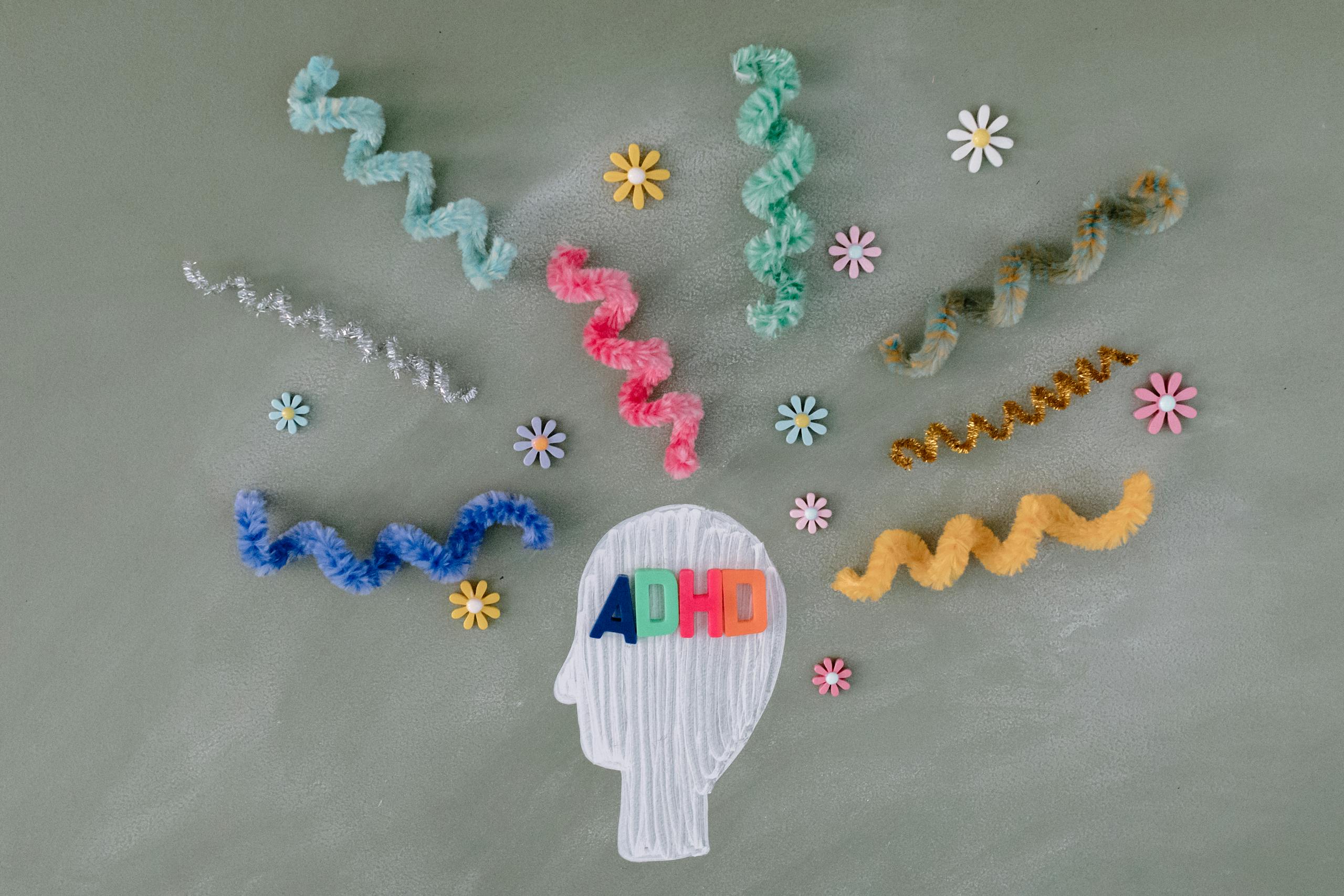
Why ADHD Can Feel So Frustrating
One of the most painful aspects of ADHD is the gap between knowing and doing.
You may understand what needs to happen. You may want to do it . . . But your brain doesn’t reliably generate the internal signal to start, organize, and stay engaged.
That signal depends heavily on two neurotransmitters:
Dopamine and Norepinephrine.
Dopamine Supports
It also plays a key inhibitory role by helping the prefrontal cortex filter and regulate impulses coming from emotional and survival-based brain regions.
When dopamine signaling is low, reactions can feel faster, louder, and harder to pause. When it’s better supported, people often feel calmer, steadier, and more regulated.
Skimmer version: Dopamine helps the brain start tasks and put the brakes on impulsive emotional reactions.
Norepinephrine Supports
When it’s underactive, people may feel distractible, forgetful, mentally foggy, or easily pulled off track.

In ADHD, both systems tend to be underactive in the prefrontal cortex, which helps explain why effort doesn’t always translate into consistent results.

Feel Free to Share!
You must be logged in to post a comment.