
Meet Tricia Ebert, PMHNP-BC
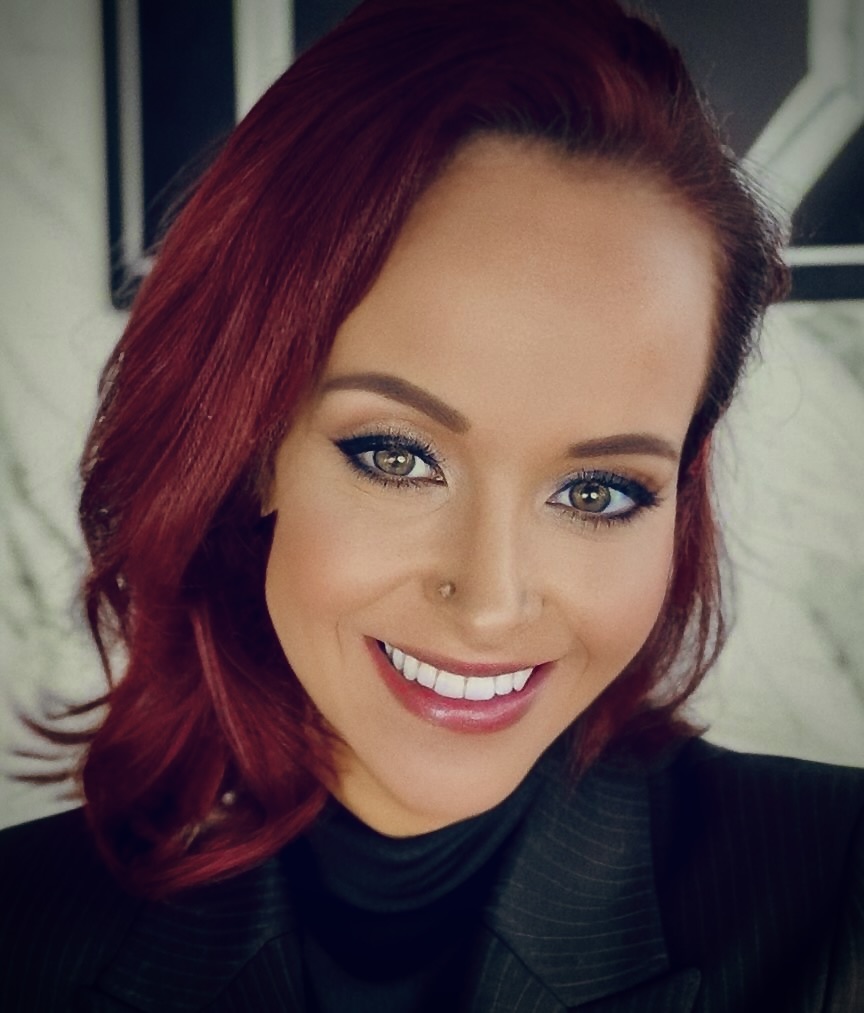
I’m a Psychiatric-Mental Health Nurse Practitioner (PMHNP-BC) in Kansas. I have 16+ years in the mental health field. My background spans psychology, social work, nursing, trauma-informed care, and addiction counseling. My training includes degrees in psychology, social work, nursing, and advanced practice psychiatric nursing. I am licensed as a PMHNP-BC, LMSW (licensed master social worker), and LMAC (licensed master addiction counselor).
I am a highly sensitive person and an INFJ (Meyers-Brings personality type). I have walked through my own trauma and healing. I listen for both the spoken and unspoken. I notice patterns, emotional undercurrents, and the stories that shape how people learn to survive.
My Practice Philosophy
I practice psychiatry through a different lens — one shaped by science, intuition, lived experience, and deep sensitivity. I have a deep understanding of how trauma and early experiences shape the nervous system.
We learn to interact with the world through early attachment and psychosocial development. Genetics also play a role. The environments we grow up in are crucial as well. These forces shape behavior, emotional patterns, and our sense of self. They influence how neurons connect, communicate, and adapt over time.
The brain has an extraordinary capacity to learn, change, and reorganize itself, even when old patterns have been deeply imprinted. It is at this intersection—where biology meets experience—that psychiatry and psychotherapy have the power to create meaningful, lasting change.
I am passionate about helping every person I work with understand how their symptoms developed. I also want them to understand why their symptoms developed. I focus on what supports resilience, healing, and growth. I am also deeply interested in the ways medications can assist the brain. These medications can help in reorganizing or stabilizing the brain. This is possible when medications are used thoughtfully and collaboratively.
I consider all layers of the human experience when I meet with someone. This includes biology and neurochemistry, trauma history, and environmental stressors. I also consider attachment and relationship patterns, belief systems, grief, and resilience. My goal is to integrate these layers into a clear path forward that supports both understanding and transformation.
Healing is possible! growth is possible! you don’t have to walk this path alone.
I created this practice because I wanted a place where people don’t feel rushed, pathologized, or reduced to diagnoses. A place where intuition, science, and lived experience can coexist. I wanted to build a treatment practice that integrates all aspects of mental health and mediation management.A practice that makes patients more than a diagnosis and honors the human being in front of me.
You must be logged in to post a comment.